Black Mold?
Don't Take Chances! Call the Top Black
Removal Company in Lynnwood and get cleaned up FAST!



Why Choose Us?
- Certified Pros
- Available 24/7/365
- Rapid Response
- Fully Licensed And Insured
- We Work With Your Insurance Company
Call Now (425) 699-6271
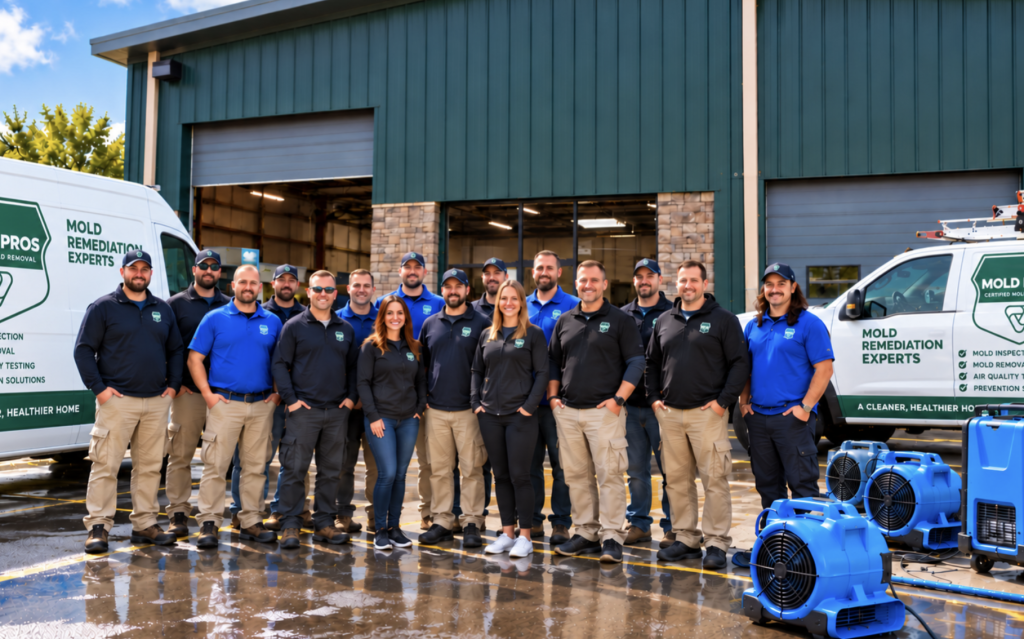
Professional Mold Removal in Lynnwood, Washington
Mold removal starts with finding and controlling the moisture that allowed growth to develop. Our team works to protect unaffected areas while addressing damaged materials and the source of dampness. In Lynnwood, cool-season rain, plumbing leaks, crawl-space moisture, and indoor condensation often shape the work plan. We explain what needs cleaning, what needs removal, and where reconstruction falls outside the remediation scope.
What Moisture Conditions Shape Mold Work in Lynnwood?
Lynnwood properties often need careful attention to rain intrusion, drainage, ventilation, and below-grade moisture. Fall and winter bring more prolonged rain, which can expose problems around roofs, flashing, siding, windows, and downspouts. Scriber Creek, Scriber Lake, and Swamp Creek drainage areas also make address-level flood and runoff review useful for some properties. A home near a drainage concern may need source correction before affected materials are cleaned or removed.
The building itself also changes the work plan. Crawl spaces are common moisture trouble spots because exposed soil, missing vapor barriers, poor airflow, or drainage problems can dampen joists and subfloors. Bathrooms, kitchens, and laundry areas need attention when exhaust fans are weak or moisture remains on cold surfaces. Apartments, condos, and newer multifamily buildings may require tighter work-area control because nearby rooms and occupants share walls, halls, or ventilation paths.
What Happens During Mold Removal?
The first visit focuses on the visible concern, moisture history, affected materials, and areas that could hide related damage. We look for signs around drywall, flooring, insulation, framing, crawl spaces, attics, and other building assemblies. We also consider whether a roof, plumbing, appliance, drainage, or ventilation issue is still adding moisture. The final work plan should match the size of the affected area and the materials involved.
Containment means using plastic walls or barriers to limit dust and debris from spreading into unaffected areas. We use personal protective equipment and careful work practices suited to the project. HEPA air scrubbers filter mold dust from the air while work is underway. Source control, controlled removal, and cleaning help reduce the chance of spreading contamination through the building.
Porous materials often require removal when growth or water damage reaches deep into them. Drywall, insulation, carpet, and some subflooring absorb water and do not clean like solid surfaces. Framing may be cleaned when its condition allows, while damaged sections may require further repair by a separate reconstruction professional. Concrete, tile, metal, and sealed surfaces usually call for a different cleaning method because they do not absorb moisture in the same way.
What’s Included
Our mold remediation scope includes the controlled work needed to address affected areas and reduce the spread of mold dust. The exact tasks depend on the moisture source, affected materials, access, and work-area size. We explain the planned sequence before work begins. Typical inclusions may include the following:
- Work-area containment and protection for nearby unaffected spaces.
- HEPA air filtration, controlled removal, and proper handling of affected porous materials.
- Cleaning of suitable hard surfaces and affected building areas within the agreed remediation scope.
Residential work often centers on one room, a bathroom, a crawl space, or damage from a plumbing or appliance leak. Commercial projects may involve offices, retail areas, schools, medical facilities, apartments, or other occupied buildings. Larger sites require attention to access, shared air pathways, business operations, and separation between clean and affected areas. We adjust the work plan to the property instead of treating every room or building the same way.
What’s Not Included
Core mold remediation does not automatically include independent mold testing, full reconstruction, or unrelated building repairs. Testing is not performed by our company, and independent testing or assessment can help when the extent or type of a problem needs outside documentation. Reconstruction may include replacing drywall, repainting, installing flooring, or rebuilding finished surfaces after remediation. Those repairs should be discussed separately so the remediation scope stays clear.
- Independent laboratory testing or species identification.
- Rebuilding finished walls, ceilings, cabinets, flooring, or other construction assemblies.
- Unrelated roof, plumbing, drainage, electrical, or ventilation repairs.
We still identify the moisture condition that needs correction for the work to hold. A plumber, roofer, drainage contractor, or builder may need to complete source repairs outside the mold scope. If older materials will be disturbed, review Washington requirements for asbestos surveys and certified asbestos contractors before demolition. Washington State Department of Labor and Industries provides current guidance on asbestos certification and contractor verification.
How Do Different Materials Affect the Job?
Drywall and insulation often need careful removal because they can hold moisture behind finished surfaces. Carpet and pad may retain contamination after a leak, especially when water remains underneath. Wood framing and subflooring require evaluation for staining, dampness, and access before cleaning decisions are made. Concrete and tile are less absorbent, but cracks, grout, adhesives, and unfinished edges still need close attention.
Crawl spaces present additional concerns because damp soil, limited access, and poor airflow can keep materials wet after the original event. Attics need review when roof leaks or improperly vented bathroom and dryer ducts have added moisture. Basements and other below-grade areas require attention to foundation cracks, drainage, hydrostatic pressure, or failed waterproofing. We do not paint over visible growth or seal a problem before the moisture source and affected material have been addressed.
How Much Does Mold Remediation Cost?
Actual mold remediation costs vary based on affected materials, work-area size, containment needs, access, and the moisture source. A final scope and price require an inspection of the property and affected areas. A small accessible area may involve less labor than a hidden problem inside a wall, crawl space, or ceiling. Removal of porous materials, tight access, and protection of occupied areas can also change the project size.
Insurance handling depends on the policy, the cause of loss, and the carrier’s requirements. Keep photos, leak records, repair invoices, and notices from property managers or contractors when available. Policyholders with companies such as State Farm, Allstate, Farmers, Liberty Mutual, Travelers, USAA, Nationwide, or American Family should review their coverage and reporting duties directly with the insurer. We do not promise coverage or claim approval.
When Should Occupants Leave the Work Area?
Occupants should stay out of an active contained work area unless the crew gives permission to enter. Whether the entire property needs to be vacated depends on the affected space, containment plan, access, and the building’s use. Homes with a separated work area may remain occupied during some projects, while apartments, offices, schools, and medical facilities require more planning. People with health concerns should ask their doctor about personal exposure questions before work begins.
Do not disturb suspicious growth, remove large sections of drywall, or run fans across a visibly affected area before the work plan is set. Stop an active water source if it is safe to do so, and keep people away from wet or damaged electrical equipment. Photograph the area without touching it, then record when the leak or odor was first noticed. For warning signs, testing questions, and immediate steps, see our mold warning signs guide.
Call Lynnwood Mold Remediation Pros at (425) 699-6271 to discuss what you found and what happens next. We will ask about the affected room, moisture source, building type, and any safety concerns. We can explain whether the concern sounds like a contained area or a larger problem that needs careful planning. Our work is IICRC certified, and we are in good standing with the BBB.
Frequently Asked Questions
Do you remove what people call black mold?
We address mold growth based on its location, materials, moisture source, and work-area conditions. Color alone does not identify a mold species, so we do not diagnose species by appearance. People commonly use the term black mold for dark-colored growth, but dark color does not by itself establish a health risk or species. Independent testing is available when outside documentation about type or extent is needed.
Can mold be cleaned from drywall and insulation?
Drywall and insulation often require removal when growth or water damage reaches their porous interiors. Surface wiping does not restore material that has absorbed moisture or contamination. Some framing, concrete, tile, and other hard surfaces may be cleaned when their condition allows. The work plan depends on access, damage, moisture history, and whether the material can be properly cleaned.
What should I do if mold returns after cleaning?
Recurring growth usually calls for another look at the moisture source rather than another coat of paint. Check for leaks, condensation, weak bathroom or kitchen ventilation, crawl-space dampness, and drainage problems. Keep affected areas undisturbed and document changes with dated photos. A qualified professional can evaluate whether hidden materials or ongoing moisture are involved.
Does mold remediation include rebuilding the room?
Standard remediation does not automatically include reconstruction of finished building surfaces. Rebuilding can involve drywall installation, painting, flooring, cabinetry, or other repairs after affected materials are removed. Those tasks require a separate scope unless they are specifically arranged with the contractor handling the project. Ask for the remediation and reconstruction boundaries in writing before work starts.